


You Are Your Car’s Biggest Liability
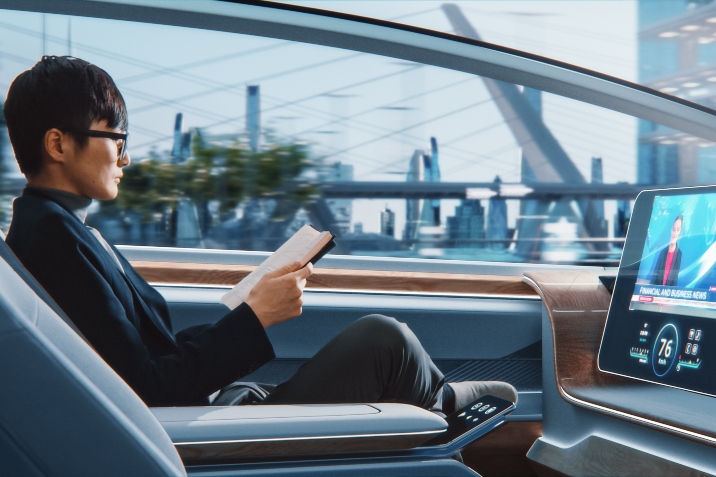
Over 34,000 people die each year in automobile accidents. While the overall rate of injury per vehicle on the road has been decreasing due to advances in safety features, the raw numbers have actually been increasing as more and more people each decade start driving their own cars. How can we help improve this? Everyone wants to ensure that they arrive at a destination safe and sound whether they’re walking, riding a bike, or driving a car. While there’s no single solution to making this happen, we here in the US have employed a large number of slightly imperfect solutions over the last 100 years to take a multi-layer approach towards achieving that goal.
How Have Safety Features Changed Over the Years?
There are two basic kinds of safety features for any car: active and passive. Active safety features work to reduce crashes from ever happening – these would be the mirrors, lights, brakes, steering, backup cameras, etc. Passive safety features are there in case of a crash actually occurring – the seatbelts, airbags, crumple zones, laminated windshields, and more. Together, these provide a sort of “Swiss-cheese” approach. While no single feature addresses all issues, they layer together to provide the best possible resolution.
The Beginnings of Auto Safety
We’ve come a long way since the late 1920s, when safety glass was made the default for all Ford cars and we took the first step towards standardizing car safety. In the 1950s, healthcare professionals started to speak up about scientific approaches to helping more people survive car crashes, and suddenly it was no longer just the car companies that were working to make cars safer.
In 1966, the Department of Transportation and National Traffic and Motor Vehicle Safety Act were both created and passed respectively, to ensure the government also took responsibility for everyone’s safety on the roads in the US. In the late 70s and 80s, crash-testing popular cars kept companies honest about the safety of their vehicles, while also piquing the public’s interest in driving safely.
What is Risk Compensation?
Now, the theory of risk compensation has to be noted here. It’s been theorized that the more “safety” bells and whistles a car has, the riskier the person driving behaves. This was an early argument against both active and passive car safety features, that the car itself wouldn’t cause an accident as long as the driver was appropriately educated.
An example of risk compensation theory at work would be someone with a backup camera not using their mirrors at all when backing up. Instead of increasing visibility, the camera’s presence combined with the driver’s lowered vigilance would actually decrease the overall safety of someone about to walk past the car. This leads us into the future of car safety by addressing what the biggest liability is for operating a motor vehicle. The answer might be surprising… it’s you.
Will Self-Driving Cars Improve Safety?
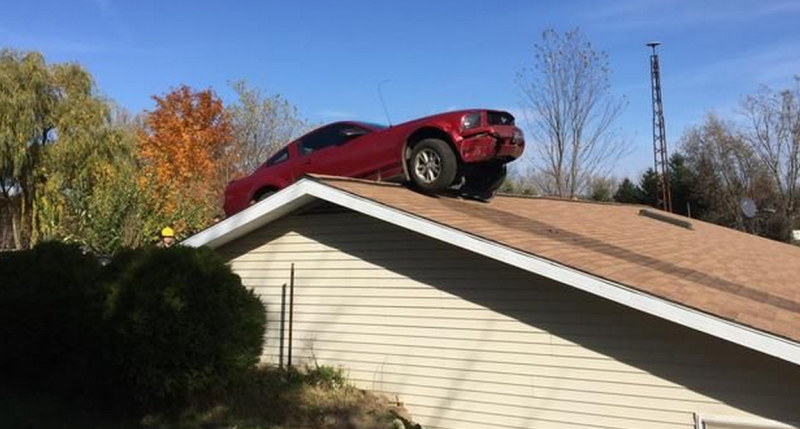
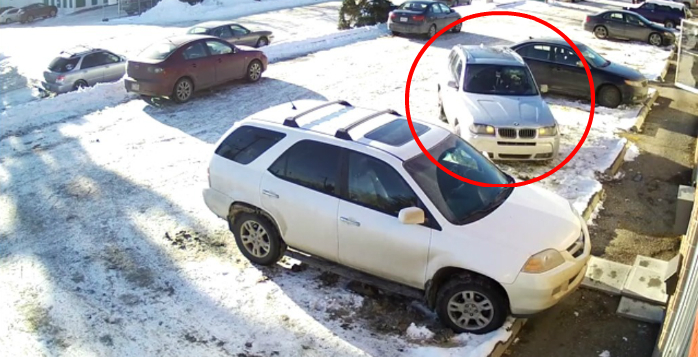
Human error can be estimated to account for over 90% of car accidents. While a self-driving car would be at risk of machine failure, it would most likely occur at a far lower rate than human error accidents. Removing sleepy, intoxicated, uneducated, frustrated, or distracted drivers from the equation would actively result in safer roads for pedestrians, bikers, and drivers.
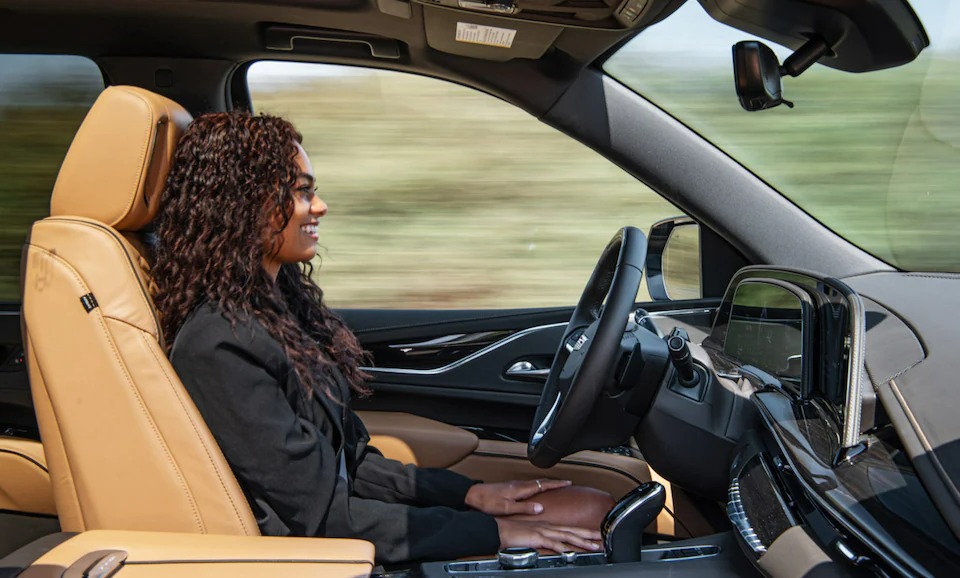
Sure, you want the safest vehicle – but your car also wants the safest driver, which might not be you! While Tesla currently has the only true “autopilot” feature (matching speeds, staying within a lane, etc), there are other similar options. Chevy Super Cruise offers “hands-free driving” on certain roads, while Ford’s BlueCruise (previously known as Active Drive Assist) also provides hands-free areas on certain divided highways. Even features like Toyota Safety Sense approach some basic level of self driving.
Moving forward, there will be an ever-expanding databank of hands-free highways along with constantly developing AI. There is still a lot of tech work to be done, and it’s possible that infrastructure and even what we think of as a car may have to change, but the only way for car safety to increase dramatically may be with a self-driving automotive future. All the new tech is great, but it’s all building towards relying less and less on the driver’s skill and attentiveness. Ultimately, it’s all building toward the self-driving car of tomorrow.
Beyond Personal Liability: The World of Professional Driving
The principles of safe driving and liability extend far beyond our personal vehicles. For professional truck drivers and the companies they work for, these concepts are magnified, as the logistics of moving goods safely and efficiently across the country is a massive undertaking that relies on expert coordination. For those in the industry, managing a fleet and ensuring drivers are supported is a complex daily challenge; it’s worth understanding why you may want to choose a carrier dispatching service.
In addition to coordinating the fleet, navigating the vast network of highways is a science in itself. Choosing the right path can impact delivery times, fuel costs, and safety. Understanding the major arteries of commerce is critical for anyone in the logistics space, and you can explore the best Canada-United States trucking routes to see the lifelines of North American trade. By understanding these professional challenges, we can gain a greater appreciation for the complexities of the logistics that power our economy.