



When Can We Expect the Microchip Shortage to End?
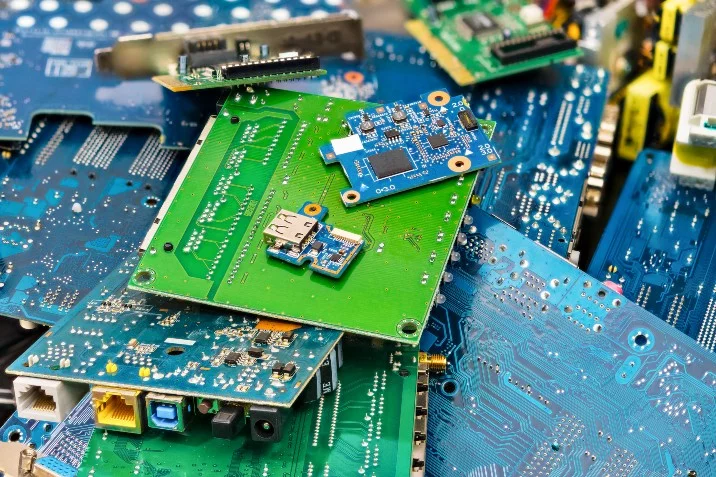
For the past two years, the automotive industry has been impacted by a microchip shortage. This microchip shortage led to automakers for many brands to be behind in production for new vehicles. Although the demand for new cars declined during the beginning of the COVID-19 pandemic lockdown, the industry wasn’t able to catch up when the demand started to rise again. If you have been in the market for a new vehicle, you may have been told by dealerships that it may take a couple months before your new car is ready to take home. This situation has all of us asking when we can expect the microchip shortage to end?
A Brief History and Explanation of the Microchip Shortage
Before we dive into when we think this shortage will end, here is a brief history and explanation. In early 2020, when the demand for new cars declined, chip manufacturers had to shift their focus to different areas like computer equipment and mobile devices. Both of these areas spiked in demand as more people were working at home and schools shifted to online classes. As these markets were doing well, the automotive market was pushed down toward the bottom of the priority list for microchip companies. So, when demand for new cars started to increase again, automakers struggled to get the chips they needed to produce more vehicles and meet this demand.
In other words, chip manufacturers are struggling to meet the demand since they were already reaching capacity with the computer and mobile device markets. Many automotive brands have missed out on many yearly new car sales because of this shortage. In 2021, brands like Ford, GM, Volkswagen and Toyota missed their planned production amount by approximately one million vehicles.
How Far Away is the End of the Shortage?
So, when can we expect this microchip shortage to end? Well, depending on who you ask, we still may be facing this shortage for another year. LMC Automotive predicts that this problem will last through the end of 2022 and a good portion of 2023 as well. While you might be thinking that the solution would be to increase the production of microchips, it unfortunately isn’t that simple. The global demand for chips will continue to increase, not only from the automotive market but from other markets who utilize chips as well. This means that even if microchip production increases, it will still struggle to meet demands.
Additionally, producing chips domestically will help, but it also takes a lot of time and money to get these plants set up. One solution that has been proposed is that car companies work together to help prevent future bottleneck effects in supply. However, this is another solution that would take a while to achieve due to these car companies being in cutthroat competition with each other. Although these solutions will take some time, we should expect to see the end of the microchip shortage, or at least the start of the end, by 2023.